WHAT IS CONDUCTION, CONVECTION, RADIATION AND INSOLATION ?


Heat is a form of energy that is transferred between two substances at different temperatures.
  • The energy flow is from the substance of higher temperature to the substance of lower temperature.


                            Transference of heat   


Heat is transferred from one place to another in three ways:


  • Conduction - In this case, heat is transferred from one place to another, through a solid, by direct contact between molecules. Some substances are good conductors of heat such as Metal objects whereas some are bad conductors of heat such as wooden pieces.


  • Convection - It is the transference of heat in a fluid (gas or liquid) by the movement of molecules. If one corner of a bowl of water is heated, the water particles move about and the heat is distributed throughout the entire body of water.


  • Radiation - It is the transference of heat from one place to another through space, without the necessity of any intervening medium. Heat given off by the Sun travels through space and reaches the earth by the process of radiation. 


                                  INSOLATION


Insolation is the name given to all forms of energy received by the earth, from the Sun, by the process of radiation. Insolation includes light, heat, ultra-violet rays, infra red rays etc. 


Insolation comes in the form of energy of very short wave length.Energy of such short wave length has the property of passing through transparent media without heating the media. 


THANKS FOR READING!!!

Click Here To Know About Clouds And Their Types


CLOUDS AND THEIR TYPES

CLOUDS AND THEIR TYPES


When air is cooled below its dew point temperature, the excess water vapor condenses into minute particles of water, which remain suspended in the air. Millions of such particles, close together, become visible as cloud.


The cooling of air below its dew point can be due to any of the 4 causes - 


  • contact with cold surface of land or sea
  • adiabatic cooling during ascent
  • contact with colder masses of air 
  • radiation of heat into space by upper layers of air
Clouds can form at any height from sea level up to the tropopause, which is about 8 km above the poles, about 13.5 km above temperate latitudes and about 16 km above the equator. 

They are hence grouped according to their height of base above sea level - 
  • low clouds - having their bases between sea level and 2 km height.
  • medium clouds - they have the prefix "alto" to their names and have bases between 2 km and 6 km above sea level.
  • high clouds - they have the prefix "cirro" to their names and have bases between 6 km above sea level and the tropopause(i.e. about 8 km above poles and 16 km above the equator)
These heights are average only. 
The tops of medium clouds and the bases of high clouds can overlap by as much as 3 km.


Clouds are of four main types, classified according to their appearance:
  • Cirrus - a silvery cloud in the form of feathers or fibres seen high up in a blue sky
  • Cumulus - a white cloud, shaped like a cauliflower, which can have great vertical extent
  • Stratus - an even layer of grey cloud, not giving rain
  • Nimbostratus - An even layer of grey cloud giving rain.


Grouping of Clouds according to height

Given below is a brief description of the 10 clouds listed above - 

CIRRUS

1.Cirrus - Silvery, high clouds appearing like feathers or fibres. Being so high up, they always have a background of blue sky and, during twilight often appear bright red or yellow. 


CIRROSTRATUS


2.Cirrostratus - A thin white veil of high cloud through which the Sun or Moon have a watery look. 

CIRROCUMULUS


3.Cirrocumulus - A high layer of cloud in the form of small flakes or cauliflowers, white in colour with no dark shadows in between.


ALTROSTRATUS


4. Altostratus - A thin greyish or bluish veil of cloud through which the sun or moon appears very dim - as if seen through frosted glass.
ALTOCUMULUS

5. Altocumulus - Clouds in patch, layer or sheet form, white or grey or both in color. They have the appearance of small flattened globules or rolls or long bands or almonds, all of which may be in regular patterns aligned in one, or sometimes two, directions.

STRATUS

6.Stratus - A low even layer of dark grey cloud with light and dark patches.It has a dry look and does not cause precipitation. It can obscure the Sun completely and can greatly weaken daylight.


NIMBOSTRATUS
7. Nimbostratus - A low,even layer of dark-grey cloud generally uniform and threatening in appearance with no light coloured patches.It has a wet look and can also obscure the Sun completely like the Stratus clouds.


STRATOCUMULUS
8. Stratocumulus - Clouds consisting of a layer or patches of globular masses which appear soft. The patches often join together and form an overcast sky, but is distinguishable from stratus by its wavy or linear appearance.


CUMULUS


9. Cumulus - Brilliant white , thick clouds with flat bases and rounded cauliflower like tops.The outline of such cloud is very clear cut. Precipitation, if any, caused by even, well developed cumulus is light.


CUMULONIMBUS

10. Cumulonimbus - Mass of grey, heavy cloud having its base in low cloud level, of great vertical extent, with its top well in high cloud level. It has a threatening appearance and is called a thundercloud. Cumulonimbus gives intermittent precipitation with rapidly fluctuating intensity.

THANKS FOR READING!!!


Click Here To Know About The Super Continent On Earth!!!

Looking For Information On Transference Of Heat? Click Here

3 ESSENTIAL TIPS FOR RUNNING A 5K


Warming up is essential prior any kind of workout.


Warming up - 


  •  Helps in pain free movements.
  •  Increases oxygen delivery to muscles which helps in preventing becoming breathless too   early during your run.
  •  Improves coordination and reaction time.
  •  Enhances performance.
  •  Prevents injury.
  •  Boosts your confidence. 
  • Avoids muscle strain.


A 2 min warm up routine is just enough for your 5k run. 
A dynamic warm up includes-  
  • Hops on the spot 
  • Chest expansions 
  • Arm circles 
  • Torso rotations 
  • Jumping jacks
  • Jumps 10x (any kind) 
  • Squats 5x

3 tips to keep in mind when running a 5k - 


Breathe - Inhale and exhale smoothly through your nose or mouth (the objective is to bring in the maximum amount of oxygen).Developing a rhythm to your breathing helps you so that you don't end up running out of breath too early.


Pace your race - An average 5k run can last anywhere from 20 - 40 minutes.I recommend you to split it like this: - Run/jog the first 3k slow and settle into a sustainable pace. You can either run at the same pace or increase it as you feel for the last 2k. Its easier and fun to pass people in the last couple hundred yards or so. 


Pre race meal  -   Avoid starting the race on a full stomach.Your last meal should be 2-3 hours before the start of the race.A good choice would be low volume food with high carbs combined with plenty of fluids. Oatmeal with fruit can be an effective choice.


     Also, motivational music can be of great help to a large number of runners. Hence, having such a playlist may prove to be a mood lifter and confidence booster!!!


      Good Luck!!!!  

5 HIGH PROTEIN FOODS


Protein is a macro nutrient that is essential to building muscle mass. 
 Macro nutrients provide calories, or energy.


Some High Protein Foods Include - 


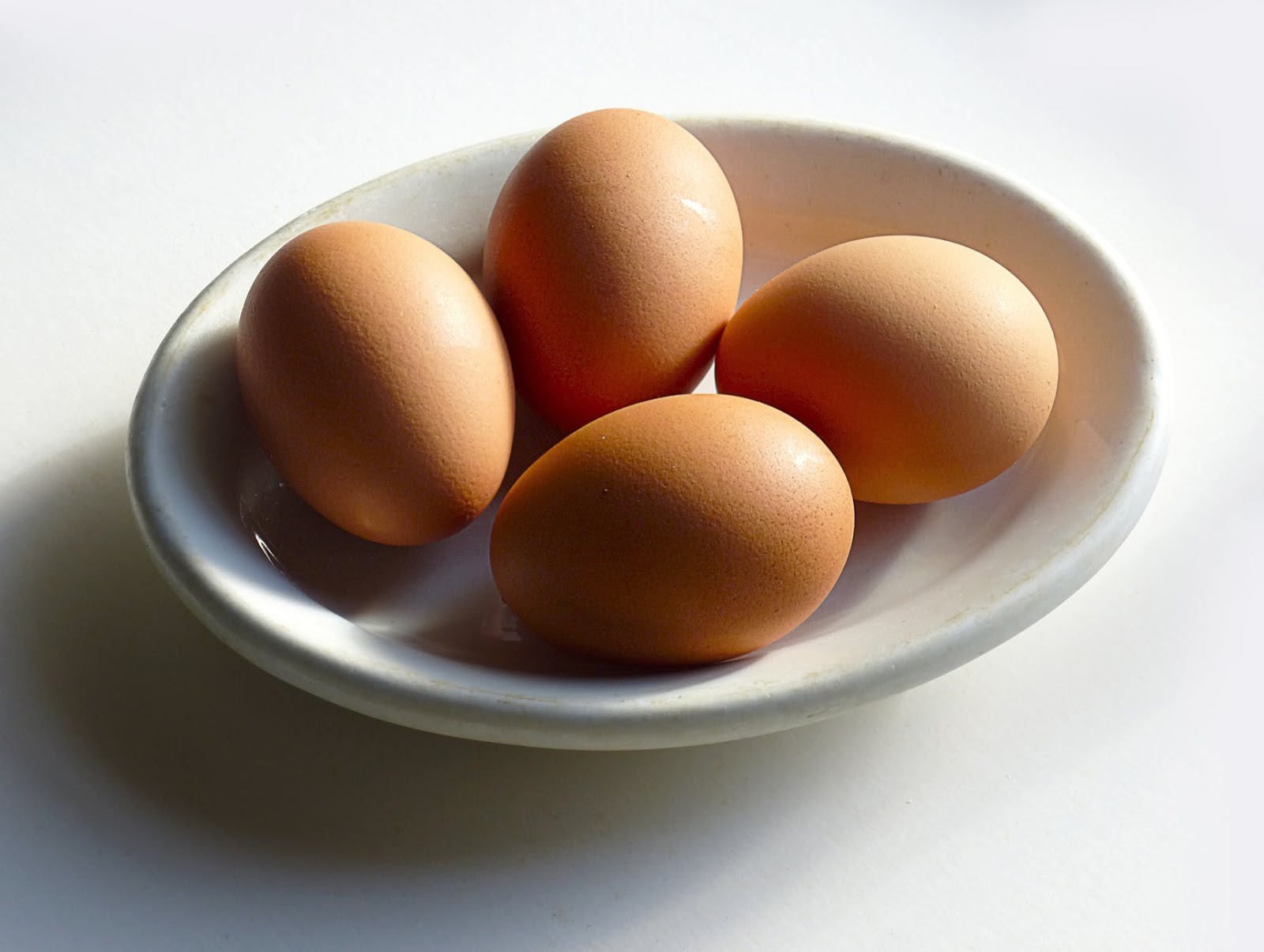
1. Eggs


Whole eggs are high in protein, but egg whites are almost pure protein. 
An average-sized egg contains up to 7 grams of protein. 


2. Almonds


Almonds are loaded with important nutrients, fibres and Vitamin E.

Daily consumption of almonds are known to reduce hunger and promote weight loss.

10 almonds may provide upto 25-30 grams of protein. 


3. Oats


Incredibly nutritious, oats are among the healthiest grains known.

Oats can help reduce blood pressure, aid in digestion and also lower your risk of heart disease

1 Cup of Oats(100 gms) can provide upto 15-20 gms of protein. . 


4. Peanuts


Peanuts are a convenient source of protein that come with the added bonus of antioxidants, magnesium, fibre and heart healthy fats(good fats).

Peanuts are known to help prevent cancer, diabetes and some respiratory diseases. 

However, peanuts should be consumed in moderation, not abundance. 

1 cup of peanuts(150 gms) can provide upto 30-40 gms of protein.


5. Chicken 


A healthy lean-meat form, with a high nutritional value.

It can help build strength, Strong bones, relieve stress, and boost immunity(chicken soup).

It is better to use cooking methods like boiling, grilling, roasting rather than frying as it may lead to some health problems. 

250 gms of Chicken can provide upto 50-70 gms of protein.


Good Luck !!!


Looking For Tips On Running Your First 5K - Click Here


SOME TALES FROM MYTHOLOGIES

SOME TALES FROM MYTHOLOGIES HOW DID THE MYTHOLOGICAL STORIES ABOUT THE EARTH START ? In ancient times, our ancestors gazed in awe ...

Most Viewed